
Who We Are
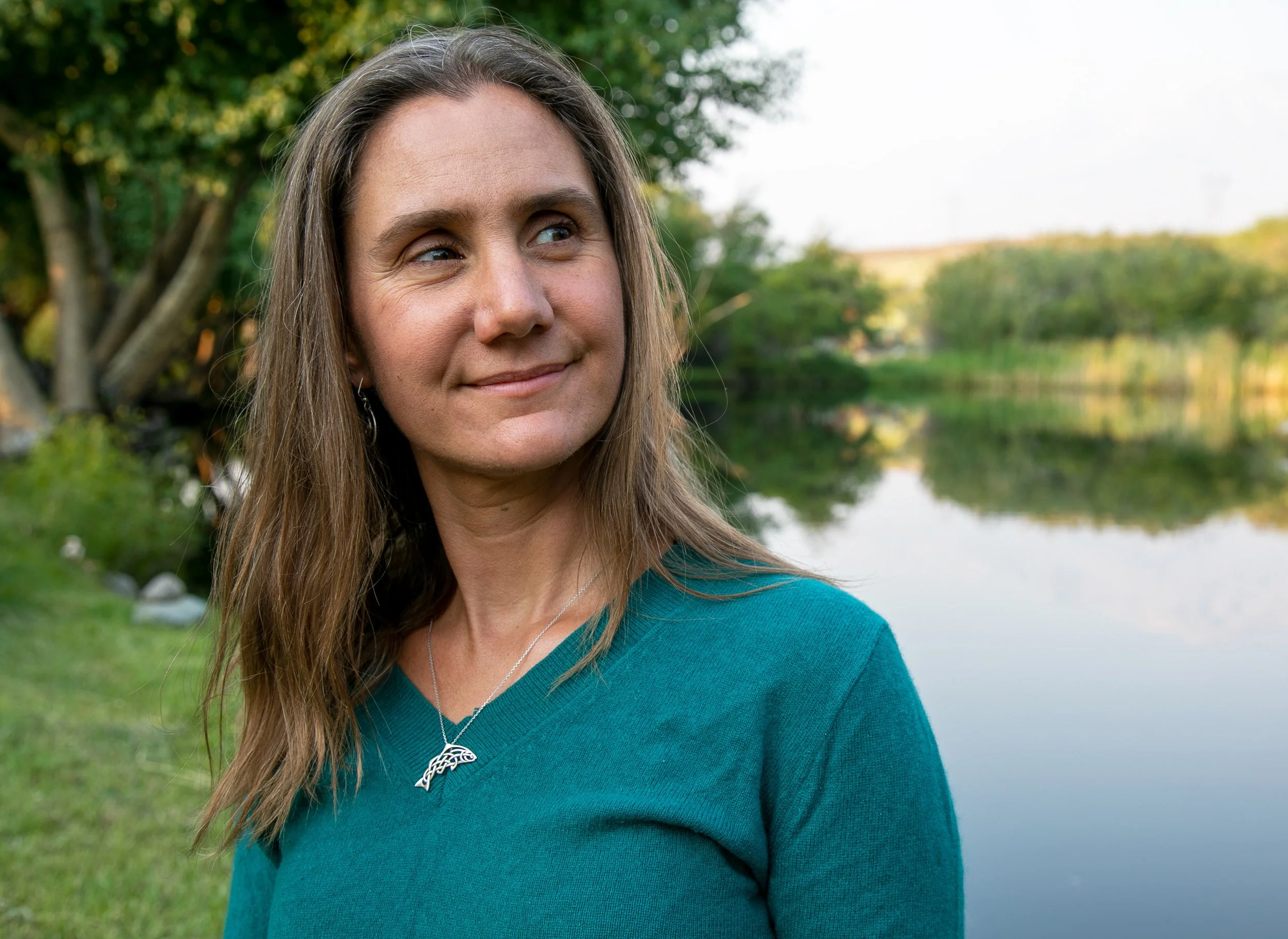
Darcy Ottey
Author, Rites & Responsibilities: A Guide to Growing Up
Darcy Ottey (she/they) is a culture worker, facilitator, and writer. The descendant of Quaker settlers, British coalminers, and Ukrainian peasants, land-based cultural practices have been part of Darcy’s life since they took part in a coming of age program as a youth. Now in her late 40’s, Darcy identifies as a queer, white, class privileged from a mixed-class background, able-bodied woman. She lives in rural north-central Washington State, in the homelands of the mətxʷú people, in Twisp, Washington. She served as the first Executive Director of Rite of Passage Journeys and the founding staff member for Restoring Lifeways (formerly Youth Passageways). Through projects including Re-Calling Our Ancestors, Nourishing Futures, and Rites and Responsibilities, Darcy devotes their life energy to increasing access to healing practices rooted in ancestry, body, land, culture, belonging, and accountability. They received their Master’s Degree in Environment & Community and are a certified SomaSource Practitioner and Yoga Teacher. Darcy’s work is informed by her training in experiential and popular education, somatics, systems theory, rites of passage, leadership, nature connection and wilderness living, and transformative justice. Darcy is on the board of Methow at Home, an organization working to support elders in her community to age with the dignity, respect, and support they need. Darcy loves dancing (especially under the full moon), learning to make Slavic folks dolls, and harvesting, growing, and preserving food and plant medicines.
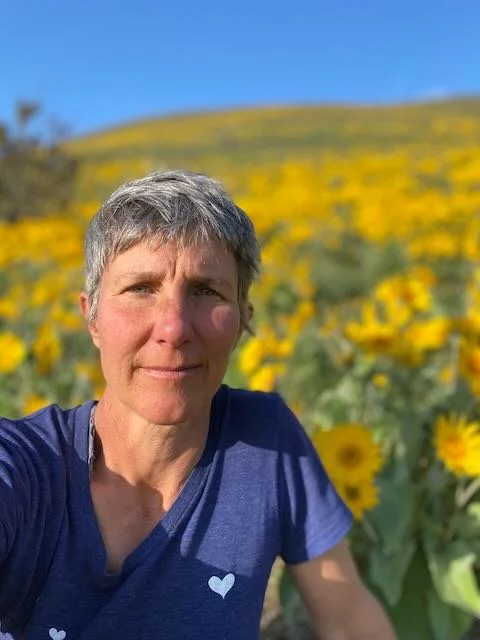
Anaka Mines
Anaka (she/her) loves nature summer camp. She has always aspired to find a life that was as close as possible to summer camp. A place where there was sharing of food and laughter, attention to the details of the place, the birds, the plants, and where song and play are a daily part of life. Unfortunately, this isn’t easy to find in modern industrial adult life, but she’s still trying. In the meantime she farms a few acres of land in the Methow Valley of north central Washington, growing certified organic vegetable, flower, and herb seeds that she sells wholesale to seed companies, and gives away to neighbors around the local region. She tends a large collection of seed that she has grown in the last dozen years, building a strong regionally adapted catalogue of garden seed. She is working to build a network of seed growers, and an alternative to transactional economics with seed gifting work.
In addition to farming, she has spent many years as an educator. She founded and directed a schoolyard garden at the local school district campus that has expanded tremendously in educational uses, community funding, and volunteer hours. She helps run a summer nature camp for kids each year, now in its 33rd year. She also has worked as a botanist and ornithologist, paying close attention to the world around her. She lives with her 9 year old son, Sage, and two rats, Obi-Wan-Kenobi and Lord Raz.
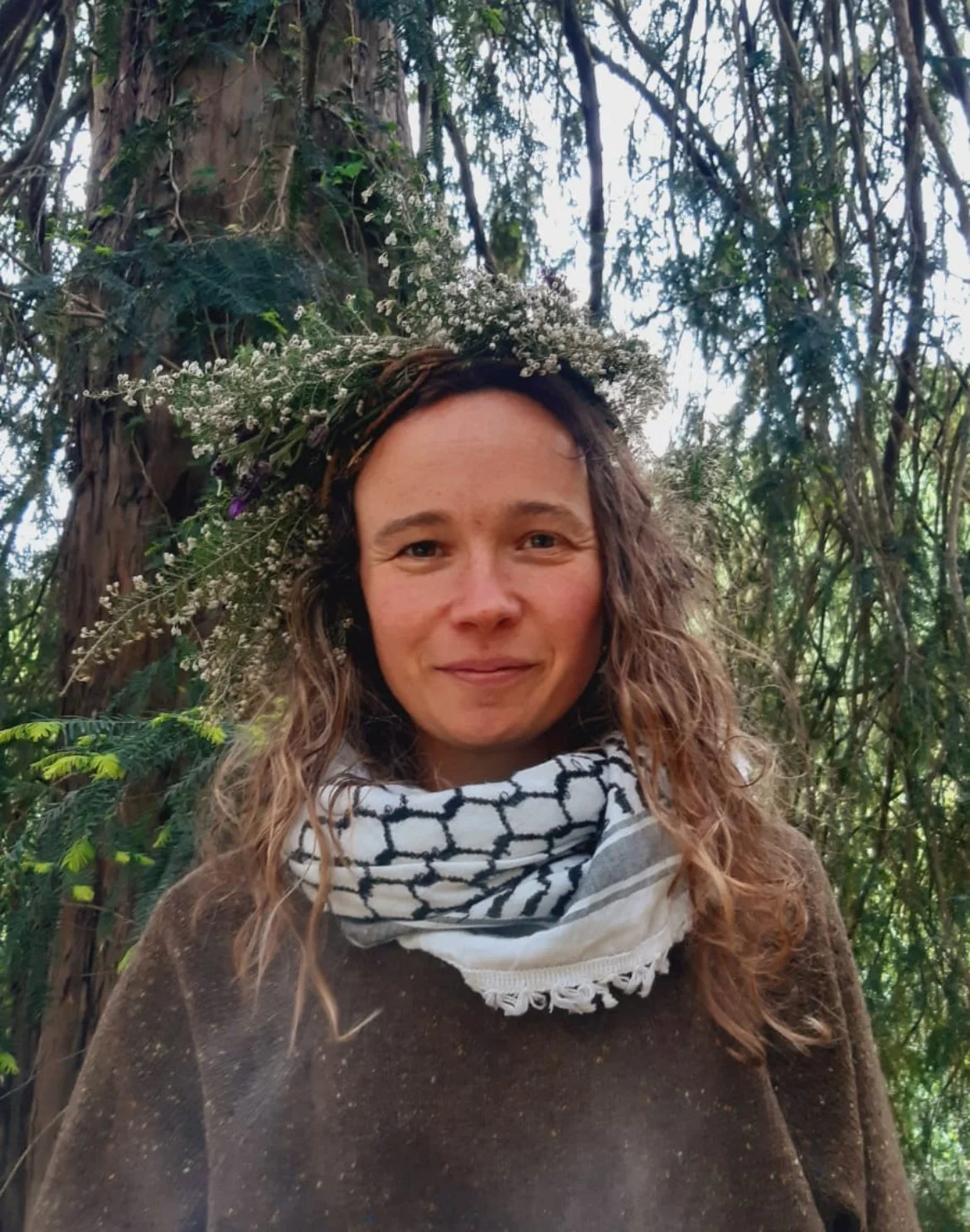
Lucy Ní hAodhagáin
Lucy (they/she) is the founder and director of Wild Awake, an organisation which seeks to rekindle cultural and ecological resilience through the restoration of ancestral lifeways in Ireland.
Lucy has been working with diverse groups for over ten years and is passionate about supporting individuals to recognise their innate gifts and true belonging with the land, as well as deepening understandings of how decolonisation and liberation work is an integral part of land and ancestral reconnection.
Over the past four years, Lucy has been deepening their understanding of Rites of Passage and Ceremonial work by learning with organisations such as Youth Passageways, Rites of Passage Journeys & The School of Lost Borders. Lucy’s love for ancestral skills and wisdom helps them to reweave these frameworks into the fabric of the Irish cultural and ecological landscape.
Lucy is a passionate rewilder, wildlife tracker, ethnobotanist and cave lover.
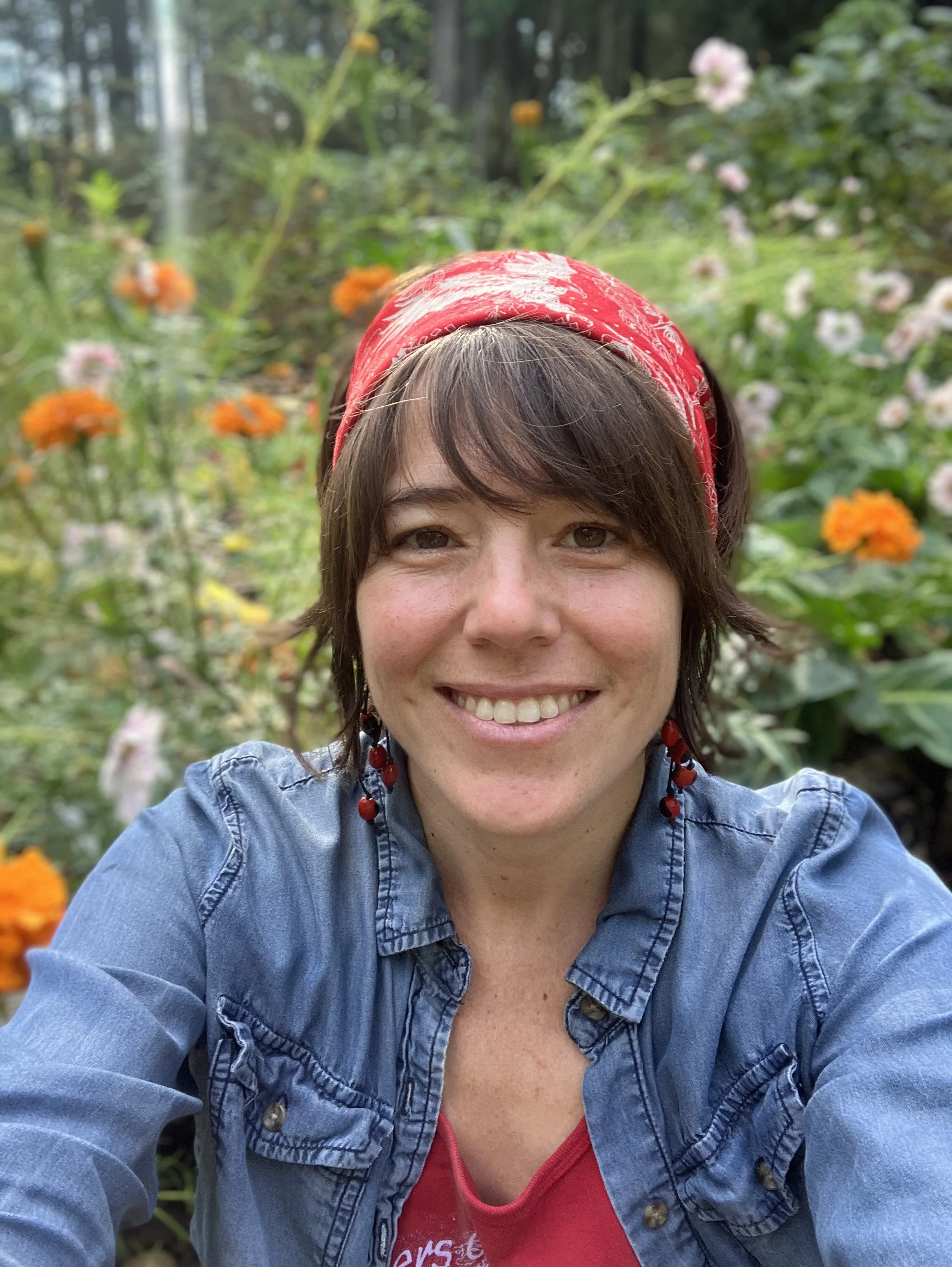
Marisa Withey Byrne
Marisa, or "Sasa," Withey Byrne is a light bearer for the global sexual healing revolution. She devotes herself to the transformative, humbling work of uplifting sacred sexual wholeness. As a “light-bearer,” she is dedicated to easing the isolation and suffering of survivors of sexual trauma, supporting people—especially youth—to develop and sustain healthy and holistic relationships with their sexuality, and to educate and hold healing space for those who have caused sexual harm. An incest survivor, she has found healing through focusing on familial, global, and self-restoration. Her offerings reflect her experience as an advocate, sex educator, council carrier, ceremonialist, rite of passage facilitator and foster mama. Her Bolivian/Spanish and Irish/German ancestry, deep connection to Pachamama, and belief in restorative and transformative justice shape how she shows up to her work and to the world.
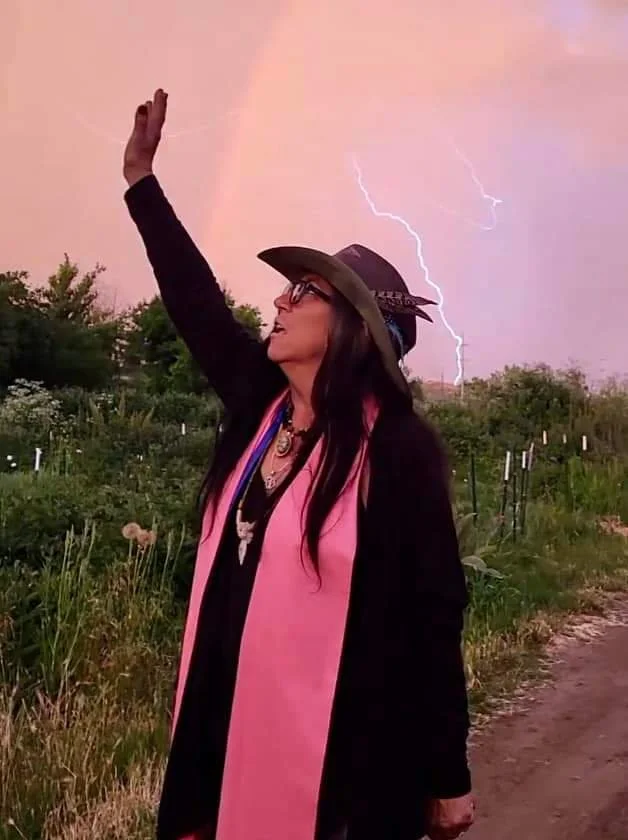
Melissa Goodblanket
Melissa Goodblanket is a mother, healer, activist, and subject of the documentary Savage Land. She entered into this current life-walk through the Northwest and grew up in the South along the Appalachian on Tsalagi land. She currently resides on the forced relocation lands of the Southern Cheyenne and Arapaho, where she has made her home for thirty-one years.
Melissa promotes cross-cultural relationship building and unity, and helps youth, adults, and families access traditional healing practices that prevent and address common community issues like substance abuse, mental health struggles, and violence. Since her son was taken from her through police violence, she has worked tirelessly to seek justice, bring healing, and prevent other youth and families in Indigenous communities from experiencing a similar fate. She lucidly connects the violence perpetrated against her son within the broader context of social justice and colonization, in a way that brings people into community, rooted in practices for healing and fostering unity. Melissa has helped catalyze action in local, state, and national arenas related to the pressing issue of police violence.
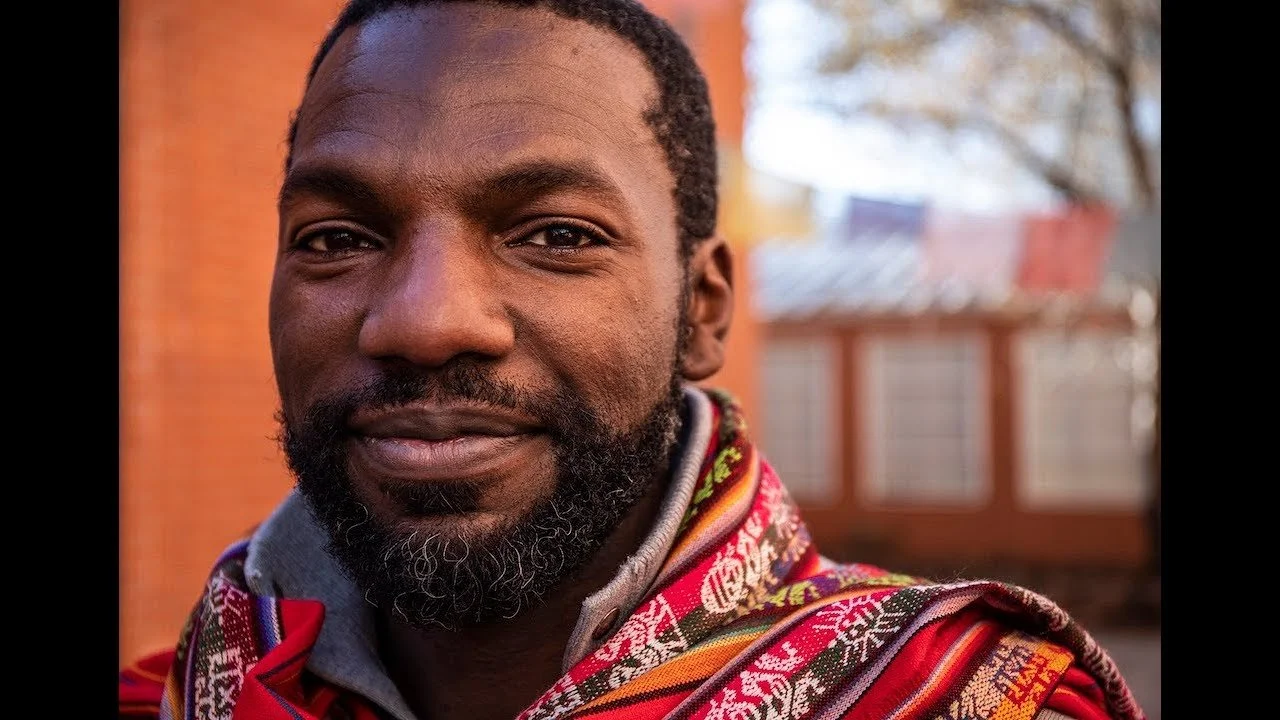
Ramon Gabrieloff Parish
Ramon serves as an Associate Professor of Interdisciplinary Studies at Naropa University in what is currently called Boulder, Colorado. He lives, raises a family and works at the base of the Rocky Mountains, at the continental divide in Colorado's Front Range, traditional lands of the Arapahoe, Ute, Cheyenne, Apache and upwards of 40 other indigenous peoples, tribes and bands. He is a child of the African Diaspora, a land bound son of the Black Atlantic (Drexiycan?), two-three generations out from the Great Migration of black people from the American South. Though possessed of some formal academic training he considers himself a free-range, organic intellectual (in a folk sense more than the Gramscian sense) and philosopher with scholarly interests and community work in food, environment and climate justice, conflict transformation, contemporary and intercultural rites of passage, embodiment particularly as a SomaSource Practitioner, interspiritual seeker from a family of pastors, a published poet, and recently (since childhood) Afrofuturist starchild, myth maker, mentor and practitioner of disgraced ways of knowing like astrology.
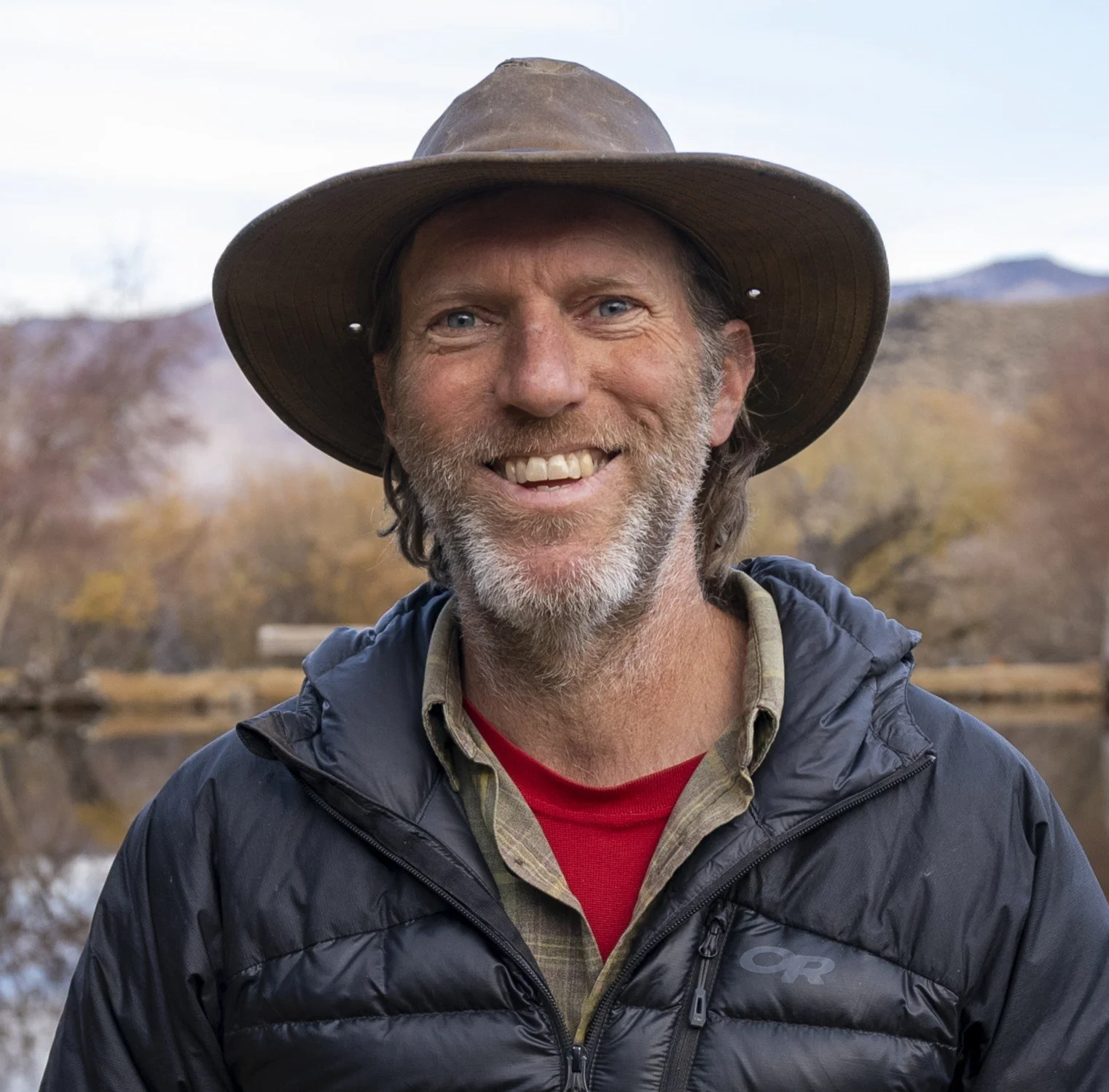
Scott Davidson
Scott (he/him) is a wilderness rite of passage guide, consent embodiment coach, and cross-cultural land steward. A son of North Sea ancestors and born on Ohlone homelands, for nearly a decade Scott helped steward Payahuunadü lands back into Indigenous care at Three Creeks. After hospicing his mother through Alzheimer's and his dad through cancer, he’s guided hundreds of people through rites of passage with the School of Lost Borders, Rites & Responsibilities, and in private offerings. He has been supporting people into wholeness and belonging ever since.
As a consent facilitator, Scott sees the Wheel of Consent as an essential practice and believes this can contribute powerfully to anyone’s liberation and sovereignty. Scott works with diverse groups, couples and individual clients, and is often working with cis-het white men.
After living for nearly a lifetime along the wild California coast and eastern Sierra in Payahuunadü, USA, Scott is now in the Methow Valley near the North Cascades in North Central Washington. Scott serves on the Board of Directors for Methow Valley Interpretive Center, a local organization that fosters cultural awareness and understanding of Indigenous peoples and the natural history of the Methow Valley and Upper Columbia region. His grounded, wise and playful presence and his sound commitment to his work for future generations radiates vitality into everything he does. He is a bird whisperer, a lover, a brother and a village cook.
Shay Sloan Clarke
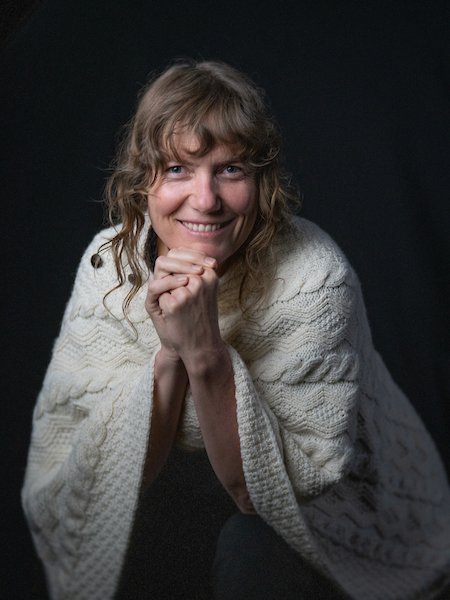
Shay Sloan Clarke is a white American descended from northeastern Ireland, where the mountains meet the sea. As a student of justice and equity, she is committed to healing, repairing, and reimagining social fields. She is co-editor of the book Protecting Wild Nature on Native Lands and co-author of “Cross-Cultural Protocols in Rites of Passage: Guiding Principles, Themes and Inquiry.” Shay is a practitioner of rites of passage, circle and embodied anti-racist practice. She loves nurturing communities of practice and ongoing inquiry. Her professional roles have included rites of passage practitioner, guide, trainer, convenor and facilitator; Consultant and Educator; Program Manager for Native Oceans; Founding Director of the Indigenous & Community Lands & Seas program for The WILD Foundation and World Wilderness Congress; Executive Co-Director of The Ojai Foundation; and Executive Director for the Global Center for Indigenous Leadership & Lifeways. Shay bridges worlds, working for inner and outer system transformation, be it bridging the movements for wilderness conservation and Indigenous sovereignty and self-determination, or supporting folx to strengthen their direct relationship with place and ancestors through research, practice, and ceremony. Whenever possible, she gets clay covered in the ceramics studio or the garden with her son, Kian. When not working, Shay explores the Sacramento River Watershed in the unceded traditional homelands of the Mechoopda peoples, where she currently resides, in Northern California.
Sobey Wing
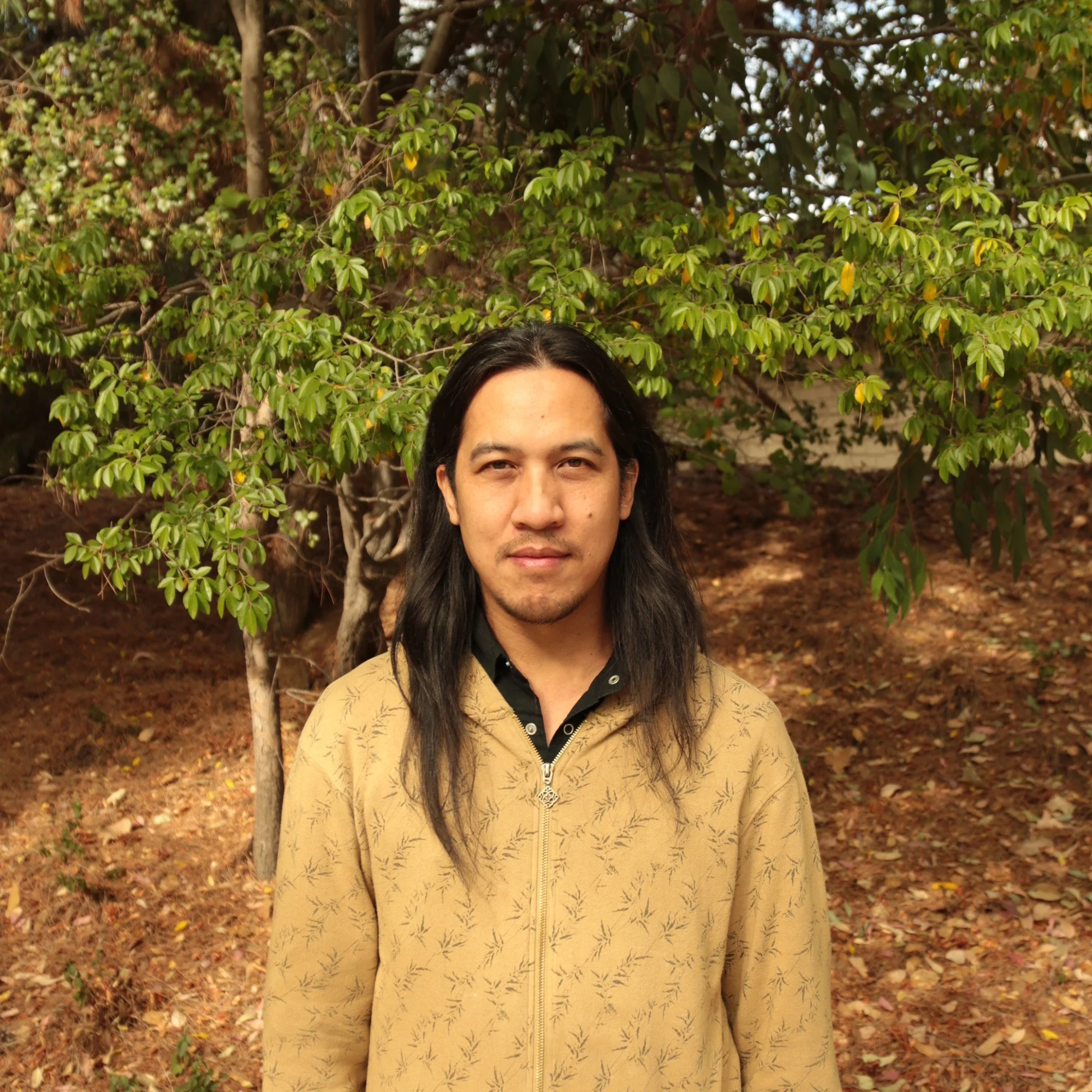
Sobey Wing (he/him) currently holds the role of President of Kathara Pilipino Indigenous Arts Society based in the Unceded Coast Salish Territories of the xʷməθkwəy̓əm (Musqueam), Sḵwx̱wú7mesh (Squamish) and Səl̓ílwətaʔ (Tsleil-Waututh) peoples. The goals of the society are to continue to support reindigenizing and decolonizing as Pilipino diaspora living away from our homelands. This includes with it a focus on rites of passage. We consult with Indigenous people both in the Philippines and with the First Nations people of Turtle Island in doing our work and partner with many organizations. We also strive to be in solidarity with both the Indigenous peoples of the Philippines, especially those in Mindinao as well as on Turtle Island. Sobey serves as an Advisor to Youth Passageway which seeks to unite local and international rites of passage practitioners, wilderness guides, and youth mentors to integrate services, create a clearing house for best practices, and help awaken mainstream educators to the elemental language of ritual.